Experience the rich history and natural beauty of the Leskovac Valley and Jablanički District—from prehistoric times to the modern era. Discover the most notable tourist attractions located in the immediate vicinity of our hotel and find out what makes this region truly unique in southern Serbia.
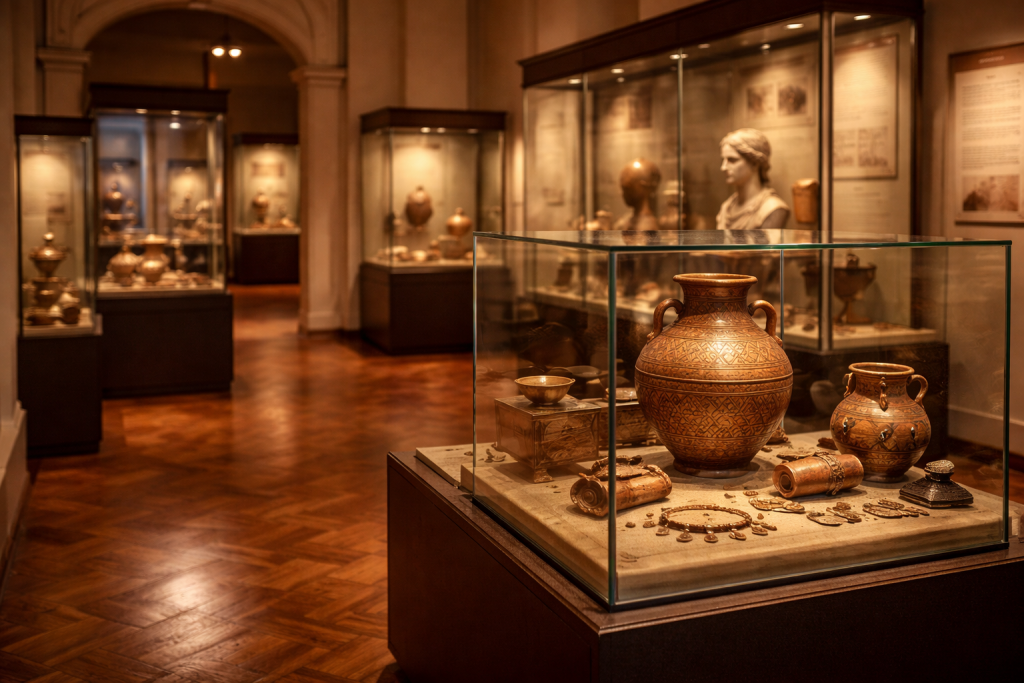
The National Museum in Leskovac preserves the cultural and historical heritage of southern Serbia-researching, documenting, protecting, and safeguarding collections of archaeological, ethnological, historical, and artistic significance.
Among its collections are over 12,400 ethnological items from the 19th and 20th centuries, as well as more than 12,000 historical artifacts illustrating the development of Leskovac and its surroundings.
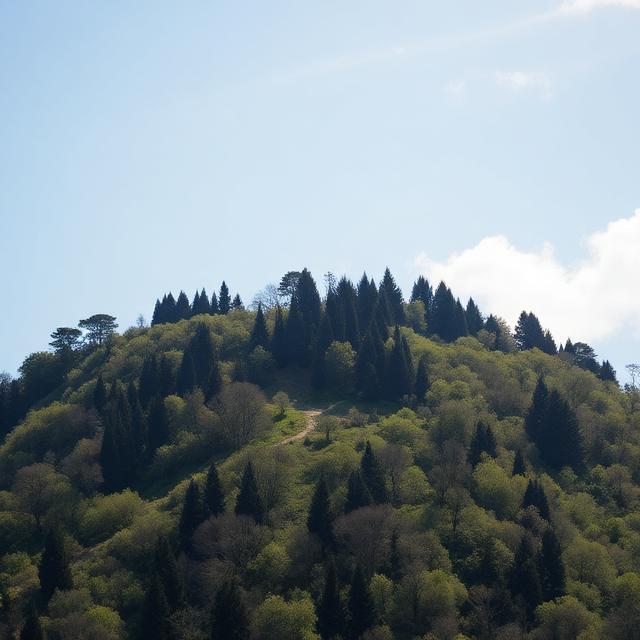
Hisar Hill is one of the most recognizable symbols of Leskovac-a site of archaeological significance, a nature park, and a favorite excursion spot for locals. It is known for numerous traces of prehistoric, ancient, and medieval cultures that have left a visible mark on the area.
The most notable archaeological find from Hisar is the Turović Needle-a needle made of exceptionally pure steel, approximately 3,700 years old, which has attracted significant attention from the international scientific community due to the advanced technology of the time.
Today, Hisar is maintained as a natural park with walking trails, benches, and viewpoints offering some of the most beautiful views of Leskovac and the Leskovac Valley. It is an ideal place for walking, recreation, and relaxing in nature, located just a few minutes from the city center.
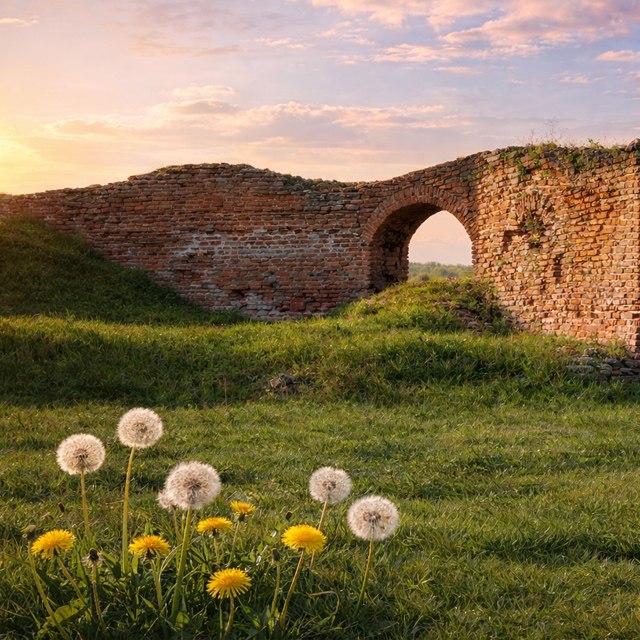
This site of exceptional importance represents the remains of the architecture of the early Byzantine church center ‘Justiniana Prima,’ founded by Emperor Justinian I. The inner urban core, surrounded by walls, extended over an area of approximately 10 hectares and has not undergone later reconstructions. The fortress is notable for its authentic urban layout characteristic of Roman Empire cities at the beginning of the Byzantine era, featuring four main gates, forums, baths, and other public buildings. The floor mosaics are of particular value, having decorated the floors of basilicas and public baths.
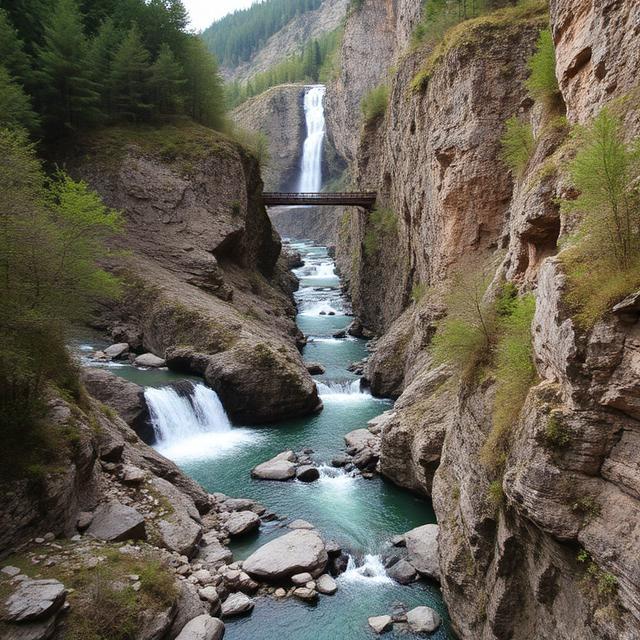
The Vučje Hydroelectric Power Plant is located in the beautiful canyon of the Vučjanka River-one of the most important technical monuments in Serbia and a true witness to the beginnings of electrification in the country. Built back in 1903, this hydroelectric plant is still operational today, making it one of the oldest active power plants in the Balkans.
The path to the power plant winds through the Vučjanka Canyon, where the rocks and the sound of flowing water create a unique spectacle and the scent of untouched wilderness. At the top of the canyon, a viewpoint offers spectacular views of the river and the surrounding mountainous landscapes.
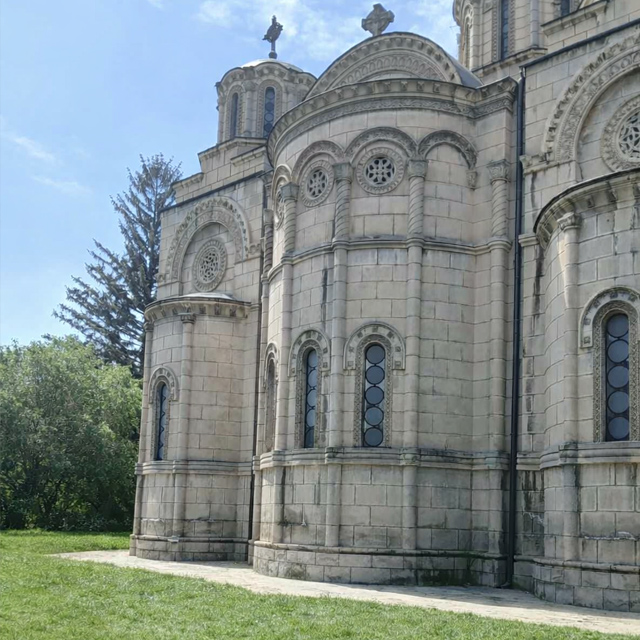
The Holy Trinity Cathedral is one of the most recognizable symbols of Leskovac. Built between 1922 and 1931 in the Neo-Byzantine style, it is the work of Russian architect Vasiliy Androsov. The interior is adorned with frescoes by Andrej Bicenko and a marble iconostasis from Split, while the crypt preserves the memories of the city’s most prominent donors. Today, the cathedral serves as the spiritual center of Leskovac and a place where tradition and history intertwine.